AI Startups in Nepal: Who Is Building and What to Watch in 2026
SVNEPAL Team · Apr 15, 2026
Nepal approved its first National AI Policy in 2025 and now has its youngest Prime Minister ever. Here is what this shift means for founders building in Nepal right now.
Nepal's AI Policy and a New Era of Leadership: What Founders Need to Know
Nepal just changed in ways that matter for anyone building a business here.
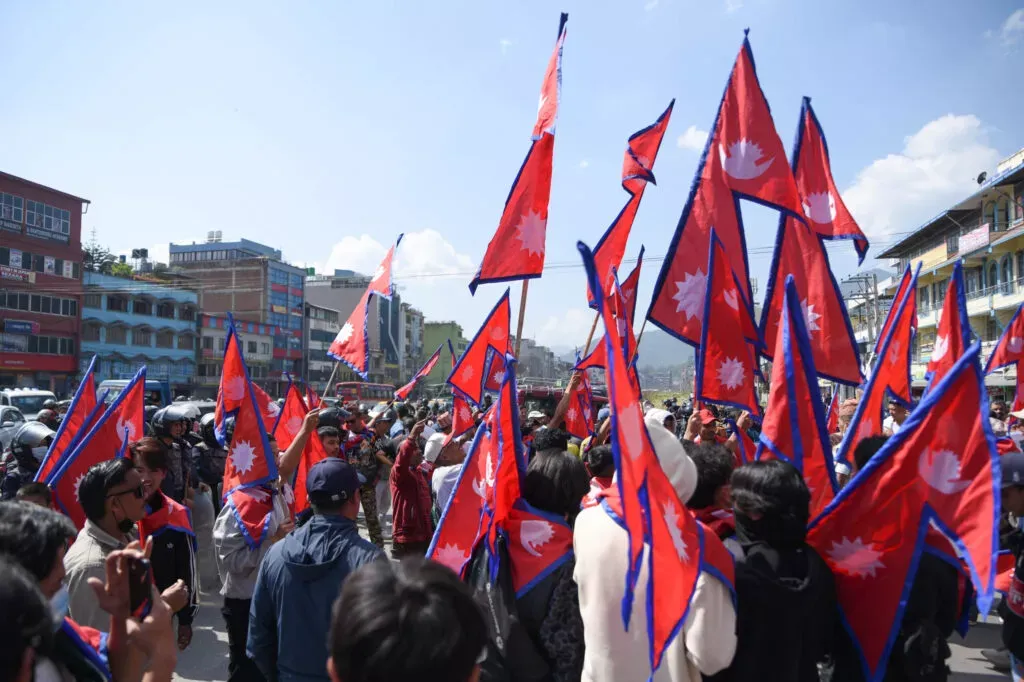
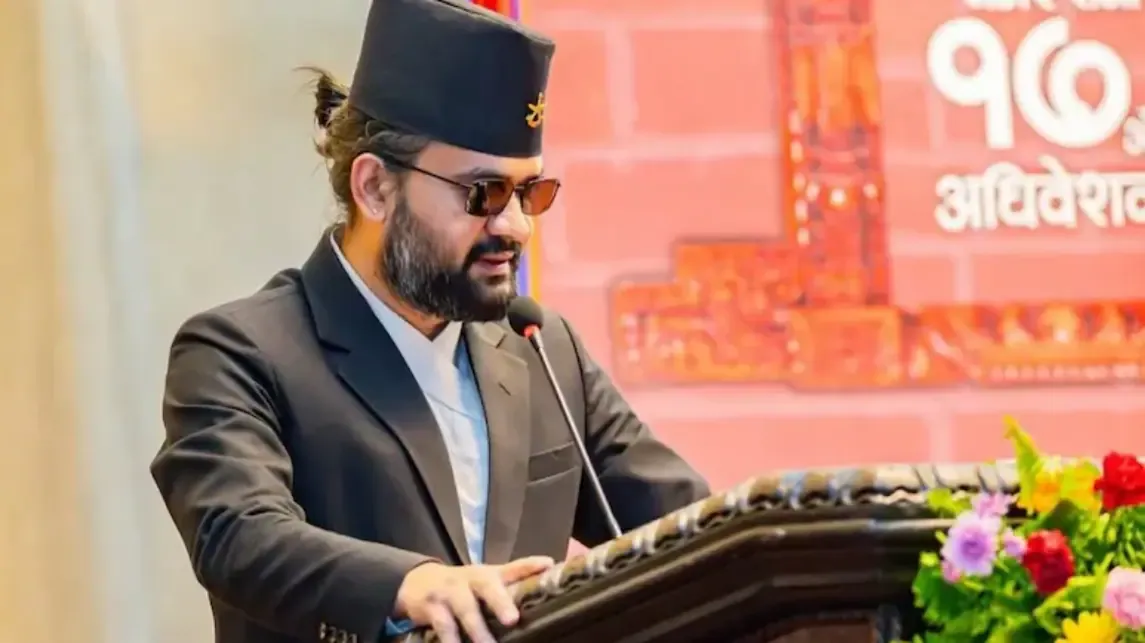
In August 2025, the government approved Nepal's first-ever National AI Policy. A few months later, Gen Z protesters took to the streets and brought down the old political establishment. And in March 2026, Balendra Shah, known widely as Balen, became Nepal's Prime Minister at just 35 years old.
A rapper. A structural engineer. A former mayor who demolished illegal structures and cleaned up Kathmandu. Now the head of government.
For Nepal's founders and entrepreneurs, this is not just political news. It is a signal about where the country is heading and what the next five years could look like for those building something here.
Balen Shah did not come from a political dynasty. He came from the underground rap scene, got an engineering degree, and won the Kathmandu mayoral election in 2022 as an independent candidate against the two most powerful political parties in the country.
As mayor, he launched the KMC app, digitized public services, gave out scholarships to over 30,000 students, and ran one of the most transparent urban administrations Nepal had seen.
His party, the Rastriya Swatantra Party, won 182 out of 275 parliamentary seats in March 2026 after a youth-led uprising that demanded accountability and reform.
The founders, investors, and builders watching Nepal should understand what this government represents: it is the most tech-friendly, youth-aligned, and anti-corruption leadership the country has had. That is a real shift in the operating environment for startups.
Before Balen became PM, the previous government passed something equally significant for the tech ecosystem.
In August 2025, Nepal's Cabinet approved the National AI Policy 2025. This is Nepal's first dedicated framework for how artificial intelligence will be developed, governed, and used across the country.
Here is what the policy actually does:
It creates institutions. A National AI Centre has been established under the Ministry of Communication and Information Technology. An AI Regulation Council will oversee governance. These are not just committees on paper. The National AI Centre became operational in November 2025 and is already being referenced in startup and investor conversations.
It supports startups directly. The policy calls for using venture capital, crowdfunding, and government-private co-investment to fund AI-related startups. It also includes monetary and non-monetary incentives for businesses innovating in the AI space.
It opens international doors. One of the forward-looking provisions is a government commitment to help Nepali AI products reach international markets through diplomatic channels. For founders building scalable tools, this is meaningful.
It brings the diaspora in. The policy specifically calls out the Nepali diaspora and Non-Resident Nepalis as a resource for AI development, covering knowledge, skills, and capital. This is a direct invite for diaspora investors and experts to engage with Nepal's tech sector.
The AI policy does not limit itself to software companies. It covers applications across Nepal's core industries. Each one is a real opportunity.
Agriculture. AI tools for crop prediction, disease detection, and resource optimization. Nepal's agritech sector is large in scale but underdeveloped in technology. Founders building here have wide-open space.
Healthcare. Diagnostics, telemedicine support, and predictive tools for a health system that struggles to reach rural populations. The gap between urban and rural healthcare in Nepal is one of the biggest problems AI can genuinely help solve.
Education. Adaptive learning platforms, skill-based training tools, and language-specific tutoring. Edtech built specifically for Nepali students, in Nepali, is still a largely unaddressed market.
Fintech. Fraud detection, credit scoring, and customer automation. eSewa and Khalti have proven the market exists. AI goes deeper into financial inclusion for those still outside the formal banking system.
Government services. The policy explicitly calls for AI to automate public services at federal, provincial, and local levels. Combined with Balen's track record of digitizing Kathmandu's services as mayor, founders with civic tech solutions now have a government that is actively looking for partners.
It would not be fair to write this without acknowledging what is still hard.
Nepal's infrastructure is uneven. Reliable electricity and internet are still challenges in many districts outside Kathmandu. The AI Regulation Council adds governance complexity that founders will need to navigate. And building skilled AI engineers locally takes years, not months.
Critics have also raised a fair point: without specific inclusion targets for women and founders outside the capital, policies like this tend to concentrate benefits in Kathmandu again.
The honest takeaway is this: the policy and the leadership create the right conditions. But founders should not wait for government execution before they start building. Those who move early get positioned first.
If you are building in AI or tech: get visible now. As the National AI Centre matures and the Balen government looks for showcase ventures and partners, being a known name in Nepal's AI space has real value. A strong venture profile on platforms like SVNEPAL puts you in front of investors who are actively watching Nepal's tech ecosystem.
If you are not in AI: start thinking about how AI tools can strengthen what you already do. Logistics companies using route optimization, agribusinesses using predictive analytics, retailers using demand forecasting. You do not need to be an AI startup to benefit from this shift.
If you are an investor: the combination of a new AI policy and a reform-oriented government creates a clearer picture for Nepal. The risk profile of investing in Nepal's tech sector looks different in 2026 than it did two years ago.
Nepal has a population where over 42% of people are between 16 and 40 years old. It has a new Prime Minister who built his name on accountability, technology, and youth. It has its first AI policy. It has a growing startup ecosystem backed by over 258 million dollars in total historical funding across nearly 4,000 ventures.
The conditions are not perfect. They never are. But they are better than they have been.
The question for Nepal's founders is not whether this moment is real. It is whether they are going to show up for it.
Nepal's National AI Policy 2025 and the arrival of Balen Shah's reform government represent the most significant shift in Nepal's business and technology landscape in years. For founders, this means new funding channels, government appetite for innovation partnerships, and a national mood that favors those building something new. The window is open. Use it.
Is your venture ready to be discovered? List it on SVNEPAL and get in front of investors who are watching Nepal's ecosystem right now. 👉 svnepal.com