AI Startups in Nepal: Who Is Building and What to Watch in 2026
SVNEPAL Team · Apr 15, 2026
Nepal's Gen Z did not just protest. They changed the government, redefined what leadership looks like, and are now building companies with the same energy. Here is what that means for the startup ecosystem.
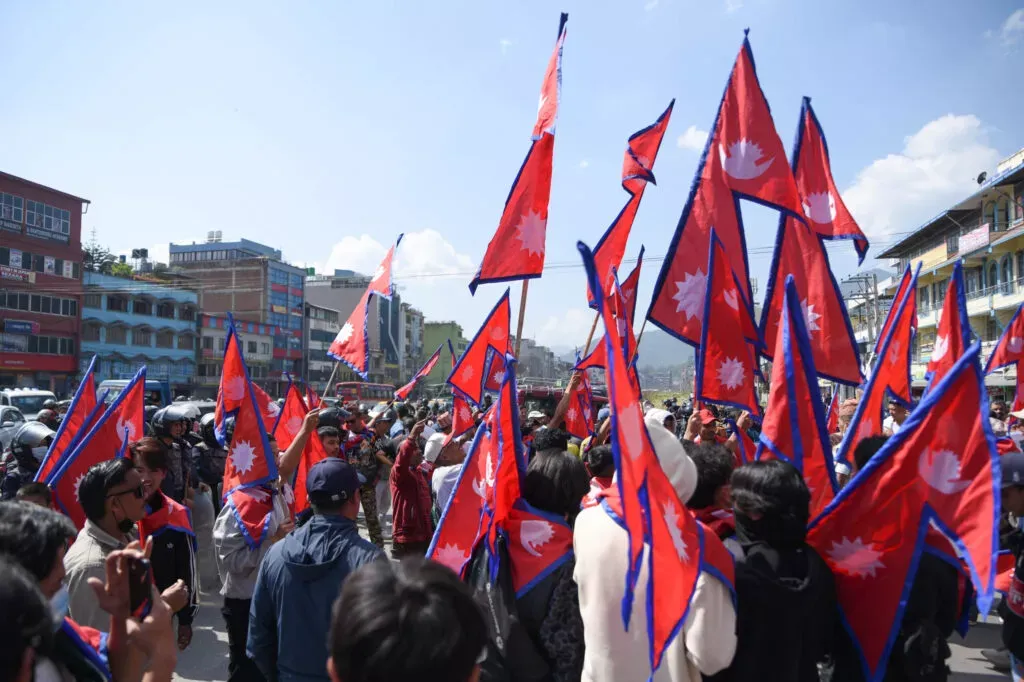
In September 2025, thousands of young Nepalis took to the streets.
They were not just frustrated with one politician or one policy. They were done with a system that had run on nepotism, corruption, and the recycling of the same faces for decades. The hashtags #NepoKid and #NepoBabies went viral. The protests escalated. And within weeks, the government fell.
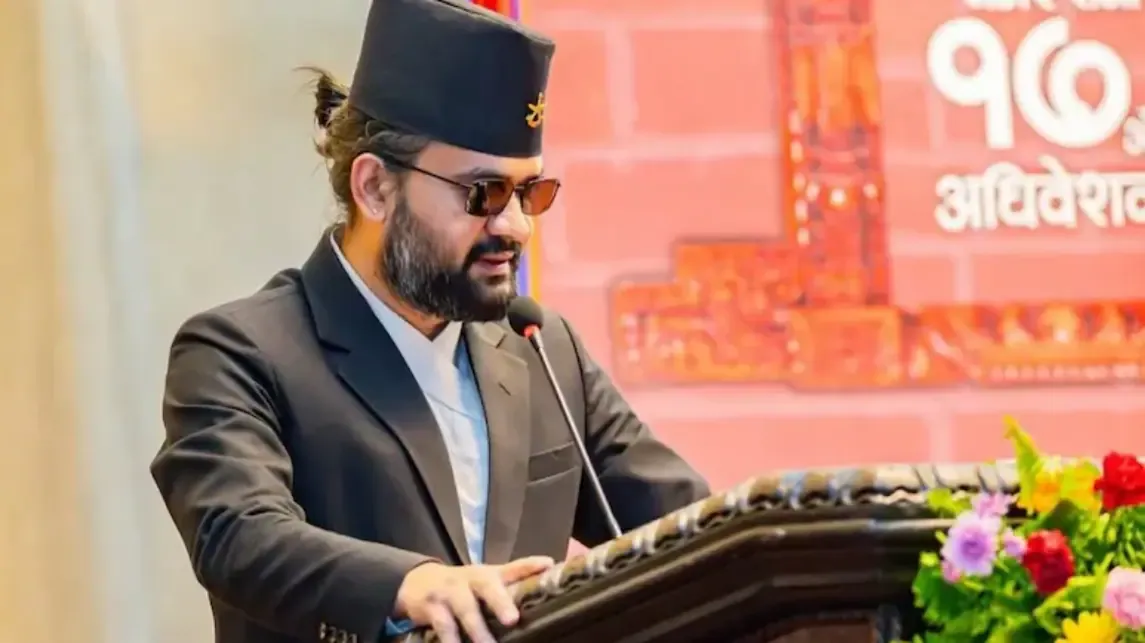
Six months later, Nepal has a 35-year-old Prime Minister. Balen Shah, once an underground rapper and structural engineer, won a landslide election and now leads the country with the most decisive parliamentary majority Nepal has seen since 1999.
But the story does not begin or end with Balen. The bigger shift is what this generation is doing across Nepal's economy, including inside its startup ecosystem.
Nepal's Gen Z are those born roughly between 1997 and 2012. They grew up with smartphones, social media, and instant access to global information. They watched their older siblings and parents migrate to Gulf countries and Malaysia for work that did not exist at home. And they decided, loudly, that this was not the future they wanted.
They are digitally fluent in a way that no previous generation in Nepal has been. They use TikTok and Instagram not just to watch content but to create it, build audiences, run businesses, and organize movements.
They value independence, transparency, and impact. They are skeptical of empty promises and quick to call out the gap between what leaders say and what they do. The 2025 protests were proof of how fast this generation can move when it decides something matters.
The same qualities that made Gen Z effective protesters are making them effective entrepreneurs.
They move fast. They do not wait for permission. They validate ideas quickly using online tools before investing heavily. They build audiences before they build products. And they are not afraid to start something from scratch without the backing of an established network.
Nepal's Gen Z founders are launching e-commerce brands from their bedrooms, running digital agencies, building food delivery operations, creating content businesses, and developing software products. Many of them are doing this while still studying.
The barriers that stopped previous generations are lower for them. Free tools are available. Payment infrastructure like eSewa and Khalti exists. Delivery networks are growing. And the internet connects them to customers, suppliers, and knowledge that their parents never had access to.
Gen Z startup founders in Nepal are building differently from older founders in several important ways.
They start with community. Before launching a product, many Gen Z founders build an audience on social media first. They share the journey, build trust, and convert followers into early customers. This is a low-cost customer acquisition strategy that older founders often skip.
They use global tools from day one. Canva, ChatGPT, Shopify, Notion, and dozens of other platforms that did not exist a decade ago are standard parts of the Gen Z founder's toolkit. This means they are productive with very small teams.
They prioritize purpose alongside profit. Gen Z entrepreneurs in Nepal are more likely to build ventures that have a social dimension, whether it is environmental, educational, or community-focused. They do not see profit and impact as opposites.
They are not waiting for Kathmandu. Founders in Pokhara, Biratnagar, Butwal, and Jhapa are building with the same tools and ambition as founders in the capital. The geographic concentration of the previous startup generation is starting to shift.
For investors watching Nepal's ecosystem, the Gen Z shift creates both opportunity and a need to recalibrate expectations.
Many Gen Z ventures will look different from traditional startup pitches. Some will be social media-native businesses. Some will be lifestyle brands. Some will be purpose-driven enterprises with unconventional monetization models. Investors who apply a narrow Silicon Valley filter will miss a large portion of what is actually being built.
At the same time, Nepal's Gen Z has shown it can organize, execute, and move at speed. The same generation that brought down a government in weeks is capable of building companies with real traction quickly when the conditions are right.
The political changes of 2026 create tailwinds. Balen Shah's government is explicitly focused on youth employment and entrepreneurship. Finance Minister Swarnim Wagle is implementing pro-private sector reforms. Startup registration is being reduced to two days. The signal from the top is clearly in favor of young builders.
Gen Z in Nepal is not just a demographic category. It is a movement that toppled a government, installed its own kind of leader, and is now channeling its energy into building businesses across every sector of Nepal's economy. For founders, investors, and ecosystem builders watching Nepal, this generation is the most important story in the country right now.
Discover Nepal's emerging Gen Z ventures on SVNEPAL and connect with the founders building the next chapter.